B-Complex Vitamins for Nerve Health, Explained
Do B-complex vitamins actually help nerve health?
B vitamins support nerves, but the benefit is real mainly when you are correcting a genuine deficiency in B1, B6 or B12. Routine high-dose B therapy in people with normal levels has uncertain benefit. Crucially, excess vitamin B6 can itself harm nerves, so a test-then-treat approach is safest.
- Strongest case: fixing a proven B12, B1 or B6 deficiency.
- Weak case: high-dose B-complex when levels are already normal.
- Safety flag: too much B6 causes nerve damage; check the label amount.

Why B vitamins keep coming up in nerve conversations
Open almost any nerve-support supplement and you will find B vitamins near the top of the list. There is a good reason for that: several B vitamins are not optional extras for your nervous system, they are structural and metabolic necessities. When one runs low, nerves are among the first tissues to complain. That biological fact is real, and it is also the seed of a lot of overselling, because the leap from "your nerves need B vitamins" to "taking lots of B vitamins fixes nerve problems" is much bigger than the marketing implies. This article walks through what each key B vitamin actually does, where the evidence is genuinely strong, where it is thin, and the one safety issue that too many products gloss over.
Vitamin B1 (thiamine) and benfotiamine
Thiamine, or vitamin B1, is a workhorse of nerve energy metabolism. Nerves are metabolically demanding tissues, and thiamine is a required cofactor for the enzymes that turn glucose into usable energy. A serious thiamine deficiency produces a recognised nerve disorder, historically known as beriberi, with sensory and motor nerve symptoms. Deficiency is more common than many assume in people with heavy alcohol use, certain digestive conditions and after some types of bariatric surgery, so it is not a purely historical concern.
Benfotiamine is a fat-soluble, synthetic derivative of thiamine that the body absorbs more efficiently, and it has attracted particular interest for diabetic nerve health because of how it interacts with the damaging by-products of high blood sugar. The evidence here is promising but not settled: some trials suggest symptom improvements, others are small or inconclusive. The honest read is that benfotiamine is a reasonable, well-tolerated candidate with a plausible mechanism, but not a proven treatment - a theme you will notice repeating across the whole B group.
Vitamin B6 (pyridoxine): helpful and hazardous
Vitamin B6 is the vitamin that best captures why nuance matters. On the helpful side, B6 is a cofactor in building neurotransmitters and in processes that keep the nervous system running, and a true B6 deficiency can cause neuropathy. So far, so consistent with the other B vitamins.
Here is the twist that makes B6 unique among the group: too much of it is directly toxic to nerves. Chronically taking high doses of B6 - well above the tolerable upper intake level set by nutrition authorities - can cause a sensory neuropathy of its own, with numbness and unsteadiness that can take a long time to improve after stopping. This is not a fringe theoretical risk; cases are well documented, and they often trace back to people who took a high-dose B6 product, or several supplements that each contained B6, without realising the total was piling up. It creates a genuinely perverse situation where someone takes a supplement hoping to help their nerves and instead harms them. The practical rule is simple but frequently ignored: read the B6 amount on every label, be wary of megadose products, and never stack multiple supplements that each carry a hefty B6 dose.
The three key B vitamins at a glance
| Vitamin | Role for nerves | Evidence and safety note |
|---|---|---|
| B1 / benfotiamine | Nerve energy metabolism | Deficiency clearly harms nerves; benfotiamine promising but unproven |
| B6 (pyridoxine) | Neurotransmitter and myelin processes | Deficiency harms nerves; excess also harms nerves - has an upper limit |
| B12 (cobalamin) | Myelin sheath maintenance | Deficiency is a well-established cause of neuropathy; correcting it clearly helps |
Vitamin B12 (cobalamin): the clearest case
If any B vitamin earns its place in a nerve discussion, it is B12. Cobalamin is essential for maintaining the myelin sheath, the fatty insulation that lets nerve signals travel quickly and cleanly. When B12 runs low, that insulation degrades, and the result can be numbness, tingling, balance problems and, if left long enough, damage that does not fully reverse. B12 deficiency is one of the genuinely correctable causes of neuropathy, which is exactly why testing for it matters so much.
Certain groups are at higher risk and deserve particular attention: older adults, whose absorption declines with age; people following strict vegan or vegetarian diets, since B12 comes almost entirely from animal foods; those with digestive conditions that impair absorption; and people taking long-term metformin or acid-reducing medication, both of which can lower B12 over time. In these situations, a deficiency can develop quietly and be mistaken for other causes of nerve symptoms. The reassuring part is that when a true B12 deficiency is the culprit, correcting it - through diet, oral supplements or, where absorption is the problem, injections directed by a clinician - can produce real improvement.
So is a B-complex enough for neuropathy?
This is the question the marketing wants you to answer with a hopeful yes, and the honest answer is: it depends entirely on why your nerves are struggling. If your symptoms are being driven by a genuine B-vitamin deficiency, then correcting that deficiency is not just helpful, it is the actual fix. But if your B levels are already normal, there is little evidence that piling on more delivers a meaningful benefit, and it certainly will not resolve nerve problems caused by something else - diabetes, a compressed nerve, thyroid disease, alcohol or one of the many other causes. A B-complex is a targeted tool for a specific problem, not a general nerve tonic.
This is why the deficiency-versus-normal distinction is the whole game. High-dose B therapy in people who are not deficient occupies an uncertain middle ground where the upside is unclear and, in the case of B6, there is a real downside. Spending money and swallowing megadoses in the hope of a benefit that the evidence does not support is a poor trade when the alternative - finding out what is actually wrong - is straightforward.
The test-then-treat philosophy
The sensible framework for anyone with nerve symptoms and an interest in B vitamins is test first, treat second. A blood test can establish whether you are deficient in B12 in particular, and how big the gap is, which then guides the right response - a modest dietary tweak, an oral supplement, or clinician-directed injections when absorption is the barrier. Testing protects you in both directions: it stops a real, correctable deficiency from being missed, and it stops you from loading up on vitamins you do not need, including the one that can backfire.
It also keeps a clinician in the loop, which matters because persistent numbness or tingling is a signal that deserves a proper diagnosis rather than a self-prescribed capsule. B vitamins can be part of a nerve-health plan, but they work best when they are aimed at a problem you have actually confirmed, at doses that respect the safety limits - most importantly B6's - rather than sprayed at symptoms in the dark.
Does a B-complex help if you are not deficient?
This is the question the category is built on avoiding, so here is the direct answer: for people who are not deficient, the evidence that a B-complex improves neuropathy is weak. The 2008 Cochrane review of vitamin B for treating peripheral neuropathy concluded that there was insufficient evidence to determine whether B vitamins are beneficial or harmful in peripheral neuropathy, and a later 2021 systematic review of B vitamins in diabetic peripheral neuropathy reached a similarly cautious position, noting that the studies were small, short and inconsistent in what they measured. Correcting a documented deficiency is a different proposition entirely, and one with much stronger footing.
That split — strong for repletion, weak for supplementation on top of adequacy — explains a lot of the confusing marketing. A formula can honestly say "B12 is essential for nerve function" while implying something the trials do not support, namely that more B12 in an already-adequate person does anything useful. The population where testing genuinely changes management is well defined, and the clearest example is covered in our page on vitamin B12 deficiency, nerve damage and metformin, where years of treatment quietly lower B12 in a substantial minority of people.
Why one B vitamin in the complex is not like the others
Most B vitamins are water-soluble with wide safety margins, which is why "you just excrete the excess" became a slogan. It is not true of vitamin B6. Sustained high-dose pyridoxine causes a sensory neuropathy of its own — Schaumburg and colleagues described the syndrome in the New England Journal of Medicine in 1983, and it has been replicated many times since. A high-dose B-complex taken for tingling can therefore, in the worst case, be the thing making the tingling worse. Our page on how vitamin B6 can harm nerves and where the safe limits are covers where the upper limit sits and what recovery looks like.
Two practical points follow. First, if you are taking a B-complex for nerve symptoms, know the B6 number on the label rather than trusting the word "complex". Second, a deficiency worth correcting is worth confirming with a blood test, because the symptom picture overlaps heavily with other causes — including alcohol-related nerve damage, where thiamine depletion and direct toxicity run together. If you want the thiamine question specifically, the comparison in benfotiamine versus thiamine covers why the fat-soluble derivative behaves differently from plain B1.
Medical note: this article is general information, not medical advice, and B vitamins are not a treatment for any disease. High-dose vitamin B6 taken over time can cause nerve damage, so check label amounts and avoid stacking products. Ask a healthcare professional about testing before supplementing, especially if you take metformin, acid reducers or other regular medication, or are pregnant or nursing.
Frequently asked questions
Which B vitamins matter most for nerves?
Three stand out: B1 (thiamine), B6 (pyridoxine) and B12 (cobalamin). B1 supports nerve energy metabolism, B6 helps build neurotransmitters and the myelin process, and B12 is essential for the myelin sheath that insulates nerves. A shortfall in any of them can produce nerve symptoms, which is why they anchor most nerve-focused B-complex formulas.
Is a B-complex enough for neuropathy?
A B-complex reliably helps only when nerve symptoms are actually caused by a B-vitamin deficiency. If your levels are normal, routine high-dose B therapy has uncertain benefit and will not fix nerve problems from other causes such as diabetes or compression. It is a targeted tool, not a general cure, so the cause needs identifying first.
Can a B-complex contain too much B6?
Yes, and this is the key safety point. Vitamin B6 has a tolerable upper intake level, and chronically taking high doses well above it can itself cause nerve damage, a sensory neuropathy. Some supplements contain far more B6 than anyone needs. Always check the B6 amount on the label and avoid stacking multiple products that each contain it.
Should I test levels before supplementing?
Testing first is the sensible approach, especially for B12. A blood test tells you whether a deficiency exists and how large the gap is, which guides whether you need diet changes, oral supplements or, in some cases, injections. Test-then-treat avoids both under-treating a real deficiency and overloading on vitamins you do not need.
Scientific references
- Ang CD, et al. Vitamin B for treating peripheral neuropathy (Cochrane Database of Systematic Reviews, 2008)
- Khalil H, et al. Vitamin B for treating diabetic peripheral neuropathy: a systematic review (Diabetes and Metabolic Syndrome, 2021)
- Schaumburg H, et al. Sensory neuropathy from pyridoxine abuse: a new megavitamin syndrome (New England Journal of Medicine, 1983)
- NIH Office of Dietary Supplements — Vitamin B12 Fact Sheet for Health Professionals
- NIH Office of Dietary Supplements — Vitamin B6 Fact Sheet, including tolerable upper intake level
- NIH Office of Dietary Supplements — Thiamin (Vitamin B1) Fact Sheet
- NINDS — Peripheral Neuropathy Information Page
Related reading
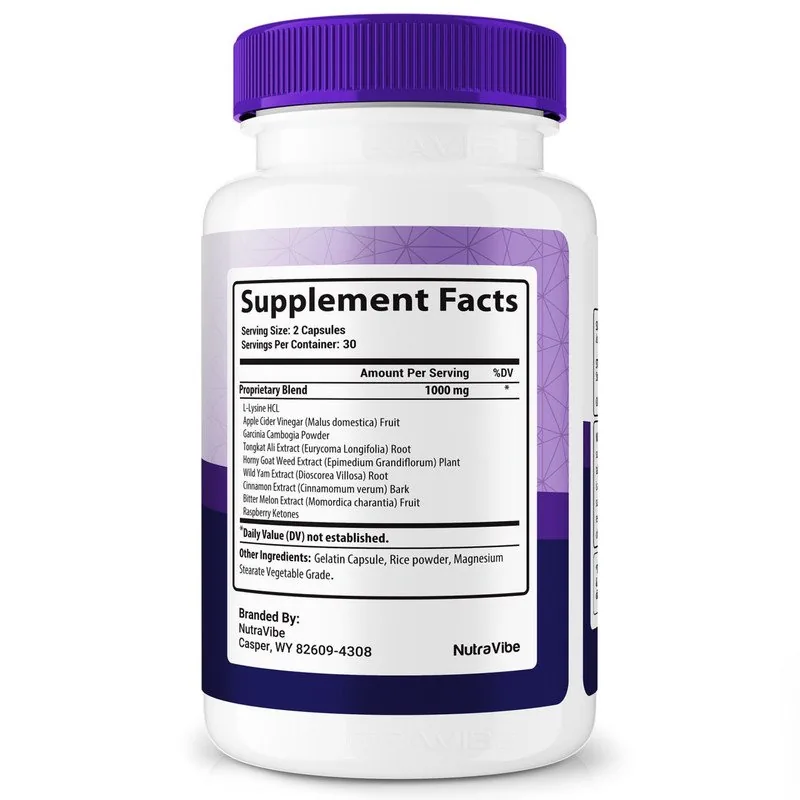
See how Nerve Harmony's formula measures up
Every ingredient in the 1000 mg blend, what the evidence does and does not support, and the current pricing and availability.