Best Vitamins for Nerve Repair: 2026 Guide
What Are the Best Vitamins for Nerve Repair?
The nutrients with the strongest research are alpha-lipoic acid (around 600 mg), benfotiamine (around 300 mg) and acetyl-L-carnitine (1–3 g), plus vitamin B12 where a deficiency exists, and magnesium or vitamin D when levels are low. The core principle is to match the nutrient to the mechanism and the dose to the studies — not to rely on a generic “nerve blend.”
- Strongest evidence: alpha-lipoic acid, then benfotiamine and acetyl-L-carnitine.
- Fix a deficiency: B12, magnesium and vitamin D help most when you are low.
- Safety flag: vitamin B6 has an upper limit — excess can harm nerves.

First, a reality check on “repair”
No vitamin rebuilds a damaged nerve on command, and nothing in this guide is a treatment for neuropathy. What the evidence actually describes is narrower and more honest: certain nutrients can support nerve function, ease some symptoms in specific groups, or correct a deficiency that was itself harming nerves. That is worth knowing — but the framing matters. Think “support and maintenance,” not “repair on demand,” and always treat real symptoms as a reason to see a clinician rather than to reach for a bottle.
The other principle running through this guide is simple: match the nutrient to the mechanism, and the dose to the research. A great ingredient at a token dose is not a great supplement. Below, the nutrients are ordered roughly by the strength of their human evidence for nerve support.
1. Alpha-lipoic acid (ALA) — strongest evidence
Alpha-lipoic acid is an antioxidant compound and the nutrient with the best case for nerve support. In randomised controlled trials, mostly in people with diabetic peripheral neuropathy, oral ALA has shown modest improvements in symptoms such as burning, tingling and numbness. The studied oral dose clusters around 600 mg per day. It is not a cure, and the strongest data sits within diabetes, but if you are looking for the single most research-backed option, this is it. ALA is best taken on an empty stomach, and doses are worth discussing with a clinician, particularly if you manage blood sugar with medication.
2. Benfotiamine (a form of vitamin B1)
Benfotiamine is a fat-soluble derivative of thiamine (B1) that is absorbed more efficiently than the standard water-soluble form. It has some supportive research for diabetic nerve symptoms, with study doses commonly near 300 mg per day, sometimes split into two. The evidence base is smaller than ALA's and more mixed, so it belongs a rung down — promising, worth considering, but not settled. Because the fat-soluble form behaves differently from plain thiamine, a good label names benfotiamine specifically rather than hiding it as generic “B1.”

3. Acetyl-L-carnitine (ALC)
Acetyl-L-carnitine is an amino-acid derivative involved in energy metabolism inside cells. Several trials have examined it for nerve pain, including diabetic and chemotherapy-related neuropathy, with doses typically in the 1–3 g per day range. Results are encouraging but not uniform, and the gram-level dose is a practical point worth noting: an amount that large simply cannot fit meaningfully inside a small multi-ingredient blend. If ALC is on your list, a dedicated, disclosed-dose product makes more sense than hoping it is hiding in a blend.
4. Vitamin B12 — essential when you are deficient
Vitamin B12 is critical for the myelin sheath that insulates nerves, and a genuine B12 deficiency can itself cause neuropathy. In that situation, correcting the deficiency clearly helps — it is one of the few “fixable causes” of nerve symptoms. The catch is that B12 mainly helps if you are actually low. Older adults, people on long-term metformin or acid-reducing drugs, and those following strict plant-based diets are more likely to be deficient and worth testing. Taking large amounts of B12 when your levels are already fine is unlikely to add benefit.
5. Magnesium and vitamin D — correct a shortfall
Magnesium supports normal nerve and muscle function, and vitamin D has been associated with nerve health in observational research. Both follow the same rule as B12: they are most useful when your levels are genuinely low, and they are not a general-purpose nerve fix for people who are already replete. If you suspect a shortfall, a blood test and a conversation with your clinician beats guessing. Vitamin D in particular is fat-soluble and can accumulate, so dosing should be deliberate.
A safety flag: vitamin B6 can cut both ways
Vitamin B6 appears in many nerve formulas, and a normal intake is fine. But B6 is the cautionary tale of this whole category: taken in high doses over time, it can actually cause nerve damage rather than support nerves. It has a defined tolerable upper intake level for a reason, and “more” is emphatically not better. This is the strongest argument for reading the total B6 across every product you take — a multivitamin plus a nerve blend plus an energy drink can add up faster than you would expect.
Sorting the shelf into three honest tiers
Almost every "best vitamins for nerve repair" list is ranked by popularity. Ranked by evidence instead, the shelf falls into three tiers, and the tiers behave very differently.
Tier one is repletion. If a blood test shows you are short of a nutrient your nerves need, correcting it is the closest thing to a genuine repair story in this whole category. Vitamin B12 is the clearest case, and the population most likely to be quietly short of it is covered in our page on vitamin B12 deficiency, nerve damage and metformin. Thiamine is the second, mainly in the context of heavy alcohol use or poor intake. These are not "supplements working" so much as a deficiency being fixed, which is why the effect can be substantial and why it does not generalise to people whose levels were fine.
Tier two is symptom modification without repair. Alpha-lipoic acid and, more weakly, acetyl-L-carnitine sit here: randomised trials, modest effects on how symptoms feel, and no demonstrated change to nerve structure over the long run. The Cochrane review of vitamin B for treating peripheral neuropathy reached a cautious verdict even on the B vitamins as a class, concluding there was insufficient evidence to say whether they help or harm in peripheral neuropathy generally.
Tier three is plausible but unproven. Magnesium belongs here for most people — genuinely essential to nerve signalling, but supplementing on top of adequacy has little neuropathy evidence, as our page on magnesium and nerve function explains. Most botanicals sold for nerves sit here too, on laboratory or animal data only.
The one vitamin that can make things worse
No honest list of nerve vitamins can leave this out. Vitamin B6 is the exception to the "water-soluble, so harmless" rule: sustained high doses cause a sensory neuropathy, first described by Schaumburg and colleagues in 1983 and confirmed repeatedly since. Because B6 is standard in high-dose B-complexes and in many nerve formulas, it is entirely possible to take a product for tingling that is adding to it. Our page on vitamin B6 and its safe limits sets out the tolerable upper intake level and what recovery tends to look like.
A practical order of operations
If nerve symptoms are what brought you here, the sequence that gets the most out of the evidence is boring but effective. Get a diagnosis first, because the different B vitamins each need different action. Test before supplementing, so that repletion is aimed at a real deficiency rather than guessed at. Know the doses, because a blend that hides its amounts cannot be checked against the trials it borrows credibility from. And treat any product promising nerve regeneration in weeks as marketing: no vitamin has shown that.
Medical note: this article is general information, not medical advice, and it does not treat or cure anything. Nerve symptoms deserve a proper diagnosis, and some nutrients interact with medications or existing conditions. Talk to a healthcare professional before starting or combining supplements, and keep total intake from all sources in mind.
Evidence and studied doses at a glance
| Nutrient | Evidence for nerve support | Typical studied dose |
|---|---|---|
| Alpha-lipoic acid | Strongest (randomised trials) | ~600 mg/day |
| Benfotiamine (B1) | Moderate, mixed | ~300 mg/day |
| Acetyl-L-carnitine | Moderate | ~1–3 g/day |
| Vitamin B12 | Clear when deficient | Enough to correct deficiency |
| Magnesium / Vitamin D | Helpful when low | To restore normal levels |
| Vitamin B6 | Needed, but risky in excess | Stay under the upper limit |
How to turn this into a smart purchase
Put the ranking together with dose transparency and you have a practical shopping filter. Decide which mechanism you are targeting, look up the studied dose, and then buy the product that discloses that amount — not the one with the longest ingredient list. Be especially wary of proprietary blends, where the per-ingredient amount is hidden and a well-known nutrient can be present at a fraction of its studied dose. A shorter formula with verifiable amounts is usually the better value.
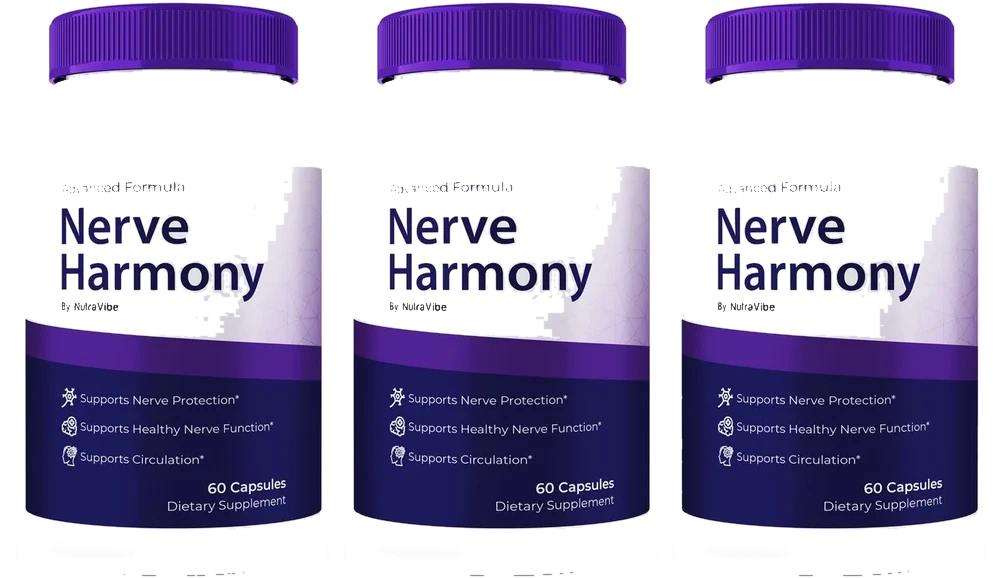
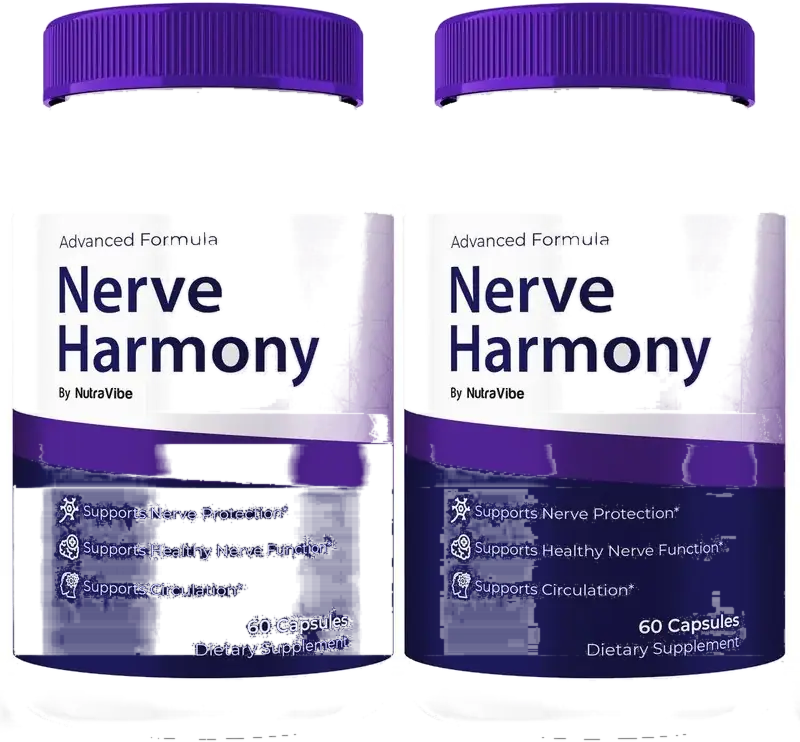
For the record: Nerve Harmony, like many products in this category, uses a proprietary blend rather than disclosing each ingredient's milligram amount. We reproduce its full ingredient panel on our review page and apply the same standard to it that we apply here — the more of the dose you can verify against the research, the more confidence the product earns.
Frequently asked questions
Which vitamins have the best nerve evidence?
Alpha-lipoic acid has the strongest randomised-trial support for nerve symptoms, followed by benfotiamine (a form of B1) and acetyl-L-carnitine. Vitamin B12 clearly helps when a deficiency is the cause. Magnesium and vitamin D matter mainly when your levels are low. Most other nerve-marketed nutrients have thin human evidence for that specific purpose.
Is a single blend enough for nerve support?
A single generic blend is rarely ideal, because effective nerve nutrients each have their own studied dose and a blend usually cannot deliver all of them at once. The better principle is to match the nutrient to the mechanism and the dose to the research. Blends can be convenient, but check whether the amounts inside them reach studied levels.
Should doses match the ones used in studies?
Yes, as closely as your clinician advises. The benefits seen in trials came from specific amounts, such as roughly 600 mg of alpha-lipoic acid or around 300 mg of benfotiamine daily. A nutrient present far below its studied dose is unlikely to reproduce the studied effect, which is why matching the amount matters as much as picking the ingredient.
Are any nerve vitamins risky in excess?
Yes. Vitamin B6 is the clearest example: high intakes over time can actually cause nerve damage, so it has an upper limit and more is not better. Fat-soluble vitamins like D can also build up if overdosed. Always keep total intake from all sources in mind and check doses with a healthcare professional before combining products.
Scientific references
- Ang CD, et al. Vitamin B for treating peripheral neuropathy (Cochrane Database of Systematic Reviews, 2008)
- Schaumburg H, et al. Sensory neuropathy from pyridoxine abuse: a new megavitamin syndrome (New England Journal of Medicine, 1983)
- Baicus C, et al. Alpha-lipoic acid for diabetic peripheral neuropathy (Cochrane Database of Systematic Reviews, 2024)
- NIH Office of Dietary Supplements — Vitamin B12 Fact Sheet
- NIH Office of Dietary Supplements — Vitamin B6 Fact Sheet
- NIH Office of Dietary Supplements — Magnesium Fact Sheet
- NINDS — Peripheral Neuropathy Information Page
See how Nerve Harmony's ingredients measure up
Every ingredient in the 1000 mg blend, what the evidence does and does not support, and the current pricing — laid out so you can match it to this guide.