Vitamin B6 Can Harm Nerves: Know the Safe Limits
Quick Answer: Can vitamin B6 actually damage nerves?
Yes — but almost always from supplements, not food. Vitamin B6 is essential, yet chronic high-dose intake can cause a reversible sensory neuropathy. Toxicity is classically linked to doses above 1,000 mg daily, though case reports exist at lower amounts with prolonged use. Food-based B6 is not a risk. Read your labels.
- The paradox: a nutrient your nerves need can, in excess, irritate them.
- The threshold: classic toxicity above 1,000 mg/day; the safety ceiling is 100 mg/day.
- The habit: total up B6 across every supplement you take, not just one.
Most vitamin stories are about getting enough. Vitamin B6 is one of the rare cases where the opposite warning matters just as much. B6 (pyridoxine) is genuinely important for the nervous system: it helps build neurotransmitters and supports the metabolism that keeps nerve tissue running. A real deficiency can cause nerve symptoms. But decades of clinical case reports and toxicology reviews have established something counterintuitive — too much B6, taken as a supplement over a long period, can itself produce a sensory neuropathy. It is one of the few vitamins with a well-documented nerve-toxicity profile, which makes it worth understanding before you reach for a high-dose B-complex.
Why a nerve nutrient can turn on nerves
Vitamin B6 works as a coenzyme in more than a hundred reactions, many tied to amino-acid handling and the synthesis of signalling molecules. At normal intakes this is entirely beneficial. The problem appears only with sustained, concentrated dosing. The leading explanation is that when pyridoxine floods the system faster than the body can convert and use it, the excess appears to affect the dorsal root ganglia — the clusters of sensory nerve-cell bodies just outside the spinal cord. Those sensory neurons seem particularly vulnerable, which is why the classic picture is sensory rather than motor: numbness, pins-and-needles, clumsiness and an unsteady gait, usually starting in the feet and hands, while muscle strength is comparatively spared.
The reassuring part is that this pattern is typically reversible. In most reported cases, stopping the supplement halts the progression and symptoms gradually recede over weeks to months. Recovery is not always complete or fast, though, which is exactly why prevention beats cleanup here.
What the toxicity evidence actually shows
The dose-response relationship is the heart of the story. The clearest, most consistent toxicity has been described at very high intakes — above roughly 1,000 mg per day, sometimes far above it, taken for months. At that level the link to sensory neuropathy is well accepted. What complicates the simple "only megadoses are risky" message is a scattering of case reports at considerably lower amounts, including some under 500 mg per day, when the supplement was taken consistently for a long time. Individual susceptibility appears to vary, and duration matters as much as the daily number.
Regulators have translated this into a conservative ceiling. The tolerable upper intake level (UL) for adults is set at 100 mg per day from supplements. The UL is not a cliff-edge where harm suddenly begins; it is a cautious boundary intended to keep essentially everyone safe over the long term. Sitting comfortably below it is the sensible approach, especially because B6 is so easy to over-consume without noticing.
Intake levels at a glance
| Reference point | Approximate B6 amount (per day) |
|---|---|
| Adult requirement (RDA) | ~1.3–2 mg |
| Tolerable upper intake level (UL) | 100 mg |
| Common high-dose supplement serving | 25–100 mg |
| Range with case reports of neuropathy | under 500 mg (prolonged) and above |
| Classic, well-established toxicity | above 1,000 mg |
Put the first and last rows side by side and the gap is startling: the body needs a couple of milligrams, yet toxic exposures are measured in hundreds or thousands. That enormous range is why a single label figure can look harmless while a stack of products quietly adds up to something that is not.

The multivitamin and B-complex problem
Here is the practical trap. The adult requirement for B6 is only about 1.3 to 2 mg per day, yet surveys of the supplement market have found that a large majority of multivitamins — on the order of seven in ten — contain more B6 than that baseline, often many times more. B-complex products routinely deliver 25, 50 or 100 mg in a single serving. None of these is necessarily unsafe on its own. The risk builds when they combine: a daily multivitamin, a separate B-complex for "energy", an added nerve-support formula and perhaps a fortified drink or protein powder can layer on top of one another. Suddenly a person who never took a "megadose" is receiving several times the requirement, day after day, for years.
This is compounded by the fact that B6 has no obvious short-term signal that you are getting too much. There is no upset stomach, no immediate reaction — nothing that prompts a rethink. The consequences, when they occur, appear slowly and can be easy to blame on something else. That silent, cumulative quality is what makes label-reading, rather than symptom-watching, the right safeguard.
Why food-based B6 is not the concern
It is worth stating plainly: this warning is about supplements, not dinner. Vitamin B6 from food has not been shown to cause neuropathy, even in people whose diets are rich in it. Fish, poultry, chickpeas, potatoes, bananas, fortified cereals and many vegetables all supply B6, and you can eat them freely without any known nerve risk. The body appears to handle food-bound B6 differently from a large, isolated dose of purified pyridoxine, releasing and using it in a more measured way. So the answer to "should I worry about the B6 in my meals?" is no. The answer to "should I check the B6 in my pills?" is yes.
How to read a label safely
You do not need to fear B6 — you need to account for it. A few simple habits cover most of the risk:
- Find the number. Locate vitamin B6 (pyridoxine) on the Supplement Facts panel and note the milligrams per serving, not just the "% Daily Value".
- Add across products. Total the B6 from every supplement you take in a day. It is the daily sum that matters, not any single tablet.
- Respect the ceiling. Treat 100 mg per day as an upper boundary for long-term use, and there is rarely a reason to be anywhere near it.
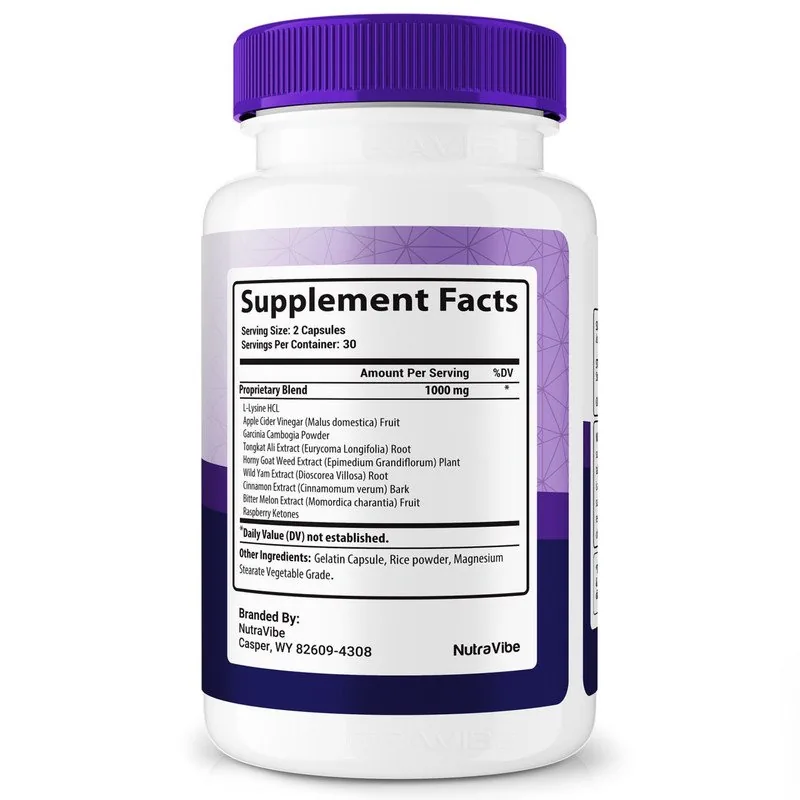
- Question proprietary blends. If a product lists B6 inside an undisclosed blend, you cannot see the dose — a good reason to prefer formulas that state each amount.
- Reassess if symptoms appear. New numbness or tingling is a reason to see a clinician and review everything you are taking, not to self-diagnose.
Who is most likely to overdo B6
Toxicity rarely comes from one deliberate megadose. It usually creeps up on people who are, in their own eyes, simply being health-conscious. The most common patterns are worth recognising in yourself. First, the supplement stackers: someone taking a daily multivitamin plus a separate B-complex "for energy", plus a nerve, hair-or-skin, or greens formula, each contributing B6 that nobody adds together. Second, people using high-dose B6 for a specific reason — it is sometimes taken in large amounts for premenstrual symptoms, carpal tunnel discomfort or nausea — who then continue for many months without revisiting the dose. Third, heavy users of fortified functional foods and drinks, which increasingly pack in B-vitamins on top of whatever pills are already in the cabinet. In every case the problem is duration times dose, quietly accumulating while the person feels they are doing everything right.
What early B6 toxicity can feel like
Because the effect targets sensory nerves, the earliest signs are usually sensory and start at the far ends of the body. People describe numbness or a "wearing gloves and socks" sensation, pins and needles, or a burning feeling in the feet and hands. Some notice clumsiness and an unsteady, less coordinated walk, particularly in the dark when they cannot rely on their eyes to compensate. Because muscle strength is comparatively preserved, it can be tempting to dismiss these sensations as circulation, ageing or tiredness. The tell-tale clue is context: symptoms that developed gradually in someone taking supplemental B6 over a long stretch should at least prompt a review of everything on the shelf. None of this is a substitute for a professional assessment, which matters because the same symptoms can arise from entirely different, treatable causes.
How recovery usually goes
The good news bears repeating: B6-related sensory neuropathy is generally reversible. In most documented cases, stopping the supplement is the turning point — progression halts, and sensation slowly returns over a period that can range from weeks to many months, depending on how high the dose was and how long it continued. Recovery is not guaranteed to be complete or quick, and some people are left with lingering symptoms, which is precisely why prevention is so much easier than repair. If you suspect B6 is a factor, the sensible sequence is not to guess and self-adjust, but to bring your full supplement list to a clinician who can help you identify the source and confirm there is nothing else going on.
How the B6 neuropathy was identified
This is not a theoretical risk extrapolated from animal work. Schaumburg and colleagues, writing in the New England Journal of Medicine in 1983 reported a series of adults who developed a progressive sensory neuropathy while taking large daily doses of pyridoxine, with unsteadiness, numbness and impaired position sense, and improvement after stopping. The paper named the pattern a megavitamin syndrome, and the finding has been reproduced in case series and case reports many times since.
Two details make it particularly relevant to anyone shopping for nerve support. The neuropathy it produces is sensory and length-dependent — the same picture as the neuropathies people take B6 hoping to improve. And it is dose- and duration-dependent, which means a modest daily excess sustained over months can matter even where a single large dose would not.
Where the numbers sit
The tolerable upper intake level for adults is set at 100 mg a day, and the recommended dietary allowance is a small fraction of that — low single-digit milligrams. The gap between those two numbers and the amounts printed on some high-potency B-complex and nerve-support products is the whole problem. It is entirely possible to take two products that each look reasonable in isolation and exceed the upper limit between them, which is why the arithmetic has to be done across everything you take rather than product by product.
A specific label trap is worth flagging: where B6 sits inside an undisclosed blend, the amount cannot be checked at all. That converts a known, quantified risk into an unassessable one, which is a different and worse situation than a high number printed honestly.
Recovery, and what to do if you are worried
The encouraging part is that stopping usually helps. Improvement typically begins over weeks to months after the excess is removed, though recovery can be incomplete where the exposure was very high or very prolonged, and symptoms occasionally worsen briefly before improving. If you are taking B6 above the upper limit and have new sensory symptoms, that is a conversation to have with a clinician promptly rather than a reason to simply switch brands. Our evidence-led guide to nerve vitamins covers which nutrients are worth taking and in what order, our page on the B-complex explains what each B vitamin is actually for, and our myths page addresses the underlying belief that makes this whole problem possible — that a vitamin cannot hurt you.
Medical note: this article is general information, not medical advice. New or worsening numbness, tingling, burning or unsteadiness can have many causes and deserves a professional assessment. Do not start, stop or change a supplement or medication based on a web article — bring your full supplement list to a healthcare professional and decide together.
Scientific references
- Schaumburg H, et al. Sensory neuropathy from pyridoxine abuse: a new megavitamin syndrome (New England Journal of Medicine, 1983)
- Ang CD, et al. Vitamin B for treating peripheral neuropathy (Cochrane Database of Systematic Reviews, 2008)
- Callaghan BC, et al. Distal Symmetric Polyneuropathy: A Review (JAMA, 2015)
- NIH Office of Dietary Supplements — Vitamin B6 Fact Sheet for Health Professionals
- Institute of Medicine — Dietary Reference Intakes: tolerable upper intake levels for B vitamins
- NINDS — Peripheral Neuropathy Information Page
Frequently asked questions
Can too much vitamin B6 cause nerve damage?
Yes. Chronic intake of high-dose vitamin B6 supplements is a recognised cause of sensory neuropathy, producing symptoms such as numbness, tingling and unsteadiness in the hands and feet. The effect is dose- and duration-dependent, and it typically improves after stopping the supplement, though recovery can be slow. This is a supplement issue, not a food issue.
What B6 dose is considered unsafe?
Classic toxicity is linked to intakes above 1,000 mg per day, but case reports describe neuropathy at lower amounts, sometimes under 500 mg, when taken for months or years. The tolerable upper intake level for adults is set at 100 mg per day. Because sensitivity varies between people, staying well under that ceiling is the cautious choice.
Do multivitamins contain too much B6?
Many do carry far more than you need. The adult requirement is only about 1.3 to 2 mg per day, yet a large share of multivitamins and B-complex products provide 25, 50 or even 100 mg per serving. A single high-dose product is not automatically dangerous, but stacking several supplements can push a daily total higher than most people realise.
Is B6 from food a risk?
No. Vitamin B6 from food has not been shown to cause neuropathy, even in people who eat plenty of B6-rich foods such as fish, poultry, chickpeas, potatoes and bananas. The body handles food-bound B6 differently from large isolated doses, so ordinary eating carries no known nerve risk. The concern is specific to concentrated supplement forms.
Related reading
Know exactly what is in your nerve formula
See how Nerve Harmony discloses its ingredients, what the evidence supports, and the current pricing before you decide.