Chemo-Induced Neuropathy: Support Options Reviewed
What support options actually help chemotherapy-induced neuropathy?
For chemotherapy-induced peripheral neuropathy, structured exercise has the strongest self-directed evidence, easing symptom severity and improving quality of life. Supplements such as acetyl-L-carnitine show mixed and sometimes unfavourable results. These are supportive measures, not treatments, and every decision belongs with your oncology team.
- Best evidence: structured exercise combining balance, strength and aerobic work.
- Mixed evidence: acetyl-L-carnitine and most supplements.
- Non-negotiable: oncology team leads dosing and safety decisions.
What chemotherapy-induced neuropathy actually is
Chemotherapy-induced peripheral neuropathy, almost always shortened to CIPN, is one of the most common lasting side effects of cancer treatment. It happens because several highly effective cancer drugs are toxic not only to tumour cells but also to the long, delicate peripheral nerves that carry sensation from your hands and feet back to the spinal cord. The classes most associated with it are the taxanes such as paclitaxel and docetaxel, the platinum agents such as oxaliplatin and cisplatin, and the vinca alkaloids. Newer agents like bortezomib can cause it too.
The pattern is usually symmetrical and starts at the far ends of the longest nerves - the toes and fingertips - before creeping inward, which is why clinicians describe it as a glove-and-stocking distribution. People report tingling, numbness, a burning or electric quality, clumsiness with buttons and zips, and with oxaliplatin in particular a sharp sensitivity to cold that can make picking up a cold glass genuinely painful. How badly it hits depends on the specific drug, the cumulative dose delivered over the course of treatment, and factors unique to the individual such as pre-existing nerve issues from diabetes. None of this is your fault, and none of it means you did anything wrong.
Why honest expectations matter here
CIPN sits in an uncomfortable place in medicine: it is common, it can be disabling, and yet there is no single proven medication that reliably prevents or reverses it. That gap is exactly why the internet fills with confident claims about creams, vitamins and blends. Before we walk through the options, it helps to set the frame plainly. The goal of everything below is symptom support and quality of life, not cure. The most important decisions - whether a chemotherapy dose should be reduced, delayed or switched because of neuropathy - are medical calls that belong entirely to your oncology team, because they alone can weigh nerve symptoms against the cancer being treated.
Structured exercise: the option with real trial support
If there is a headline in the CIPN research, it is movement. Multiple randomised trials and pooled analyses have examined structured exercise programmes in people receiving neurotoxic chemotherapy, and the signal is more consistent than for almost anything else in this space. Programmes that combine three elements tend to perform best: balance and sensorimotor training to counter the unsteadiness that comes with numb feet, resistance training to preserve the muscle strength that neuropathy quietly erodes, and aerobic activity such as walking or cycling for general conditioning.
The reported benefits are meaningful without being miraculous. Trials have linked exercise to lower self-reported symptom severity, better balance and fewer falls, and improvements in quality-of-life scores. Some research suggests that starting a supervised programme alongside chemotherapy, rather than waiting until symptoms are severe, may blunt how bad the neuropathy becomes. Exactly why exercise helps is still being worked out - better circulation to the nerves, effects on inflammation, and improved use of the muscles and joints that a numb foot no longer guides well all likely play a part.
The practical appeal is that exercise is low-cost, carries broad health benefits well beyond your nerves, and has a favourable safety profile when it is scaled to your energy. The caveats are real, though. Numb feet raise the risk of trips and falls, low blood counts during chemotherapy can affect what is safe, and fatigue is a genuine limiter. This is precisely why an exercise plan for CIPN should be built with your care team or a physiotherapist rather than copied from a generic fitness video - it needs to fit your treatment schedule and your safety.
How the main support options compare
| Approach | What the evidence suggests |
|---|---|
| Structured exercise | Most consistent support; reduced symptom severity and better quality of life in trials |
| Acetyl-L-carnitine | Mixed results; one trial raised concern about worse symptoms, so not recommended routinely |
| Symptom-directed medication | Certain prescribed options may help painful symptoms; strictly a clinician decision |
| General nerve-support nutrients | Limited CIPN-specific data; considered only with oncology clearance |
Acetyl-L-carnitine and the mixed supplement picture
Acetyl-L-carnitine is the supplement most often raised in CIPN conversations, and it is a useful case study in why mixed data deserves caution rather than optimism. The mechanistic story is plausible - it plays a role in nerve energy metabolism and has shown protective effects in laboratory models. But human trials have not delivered a clean answer. Some smaller studies suggested benefit, yet a well-known randomised trial in women receiving taxane chemotherapy for breast cancer found that acetyl-L-carnitine did not prevent neuropathy and, more troublingly, was associated with worse symptoms at follow-up than placebo. That result is exactly why major oncology guidance does not recommend it for routine prevention.
The broader supplement landscape for CIPN follows a similar shape: interesting ideas, thin or conflicting evidence. Various antioxidants, B vitamins, omega fatty acids and botanical blends have been proposed, but few have been tested rigorously in this specific setting, and antioxidants carry a particular theoretical concern - some cancer drugs rely partly on oxidative stress to kill tumour cells, so flooding the body with antioxidants during treatment could, in principle, work against the therapy. That concern has not been settled either way, which is a reason for caution, not reassurance. The honest summary is that no supplement is an established treatment for CIPN, and the ones with the most attention have the least encouraging trial records.
Symptom-directed care and the role of your clinician
Because prevention and reversal remain limited, much of real-world CIPN management is about controlling the symptoms that most disrupt daily life. This is firmly clinician territory. Doctors may consider specific prescribed medications for painful neuropathic symptoms, and there are practical, non-drug steps a care team can advise on: protecting numb feet with well-fitting shoes, checking skin regularly because reduced sensation hides small injuries, adapting the home to lower fall risk, and using occupational therapy strategies for tasks that fine-motor changes make difficult. With oxaliplatin, patients are often coached to avoid cold exposure during and shortly after infusions.
Just as important is accurate reporting. Oncology teams grade neuropathy at each visit, and that grading can influence whether a chemotherapy dose is adjusted to protect long-term nerve function. If you downplay your symptoms to avoid changing your treatment, you take that decision out of the hands of the people best placed to balance it. Keep a simple written log of what your hands and feet are doing, when it is worst, and how it affects walking, sleep and daily tasks, and bring it to every appointment.
Where a general nerve-support product fits
People understandably want to feel they are doing something between appointments, and that is often what drives interest in nerve-support supplements. If that is you, the responsible path is not to self-prescribe based on marketing but to have the specific product reviewed by your oncology team first. Show them the actual label with its full ingredient list and amounts, because vague proprietary blends make it impossible for anyone - you or your clinician - to judge interactions or antioxidant load. During active chemotherapy in particular, the default should be caution, and the timing of anything you take may matter as much as the ingredients.
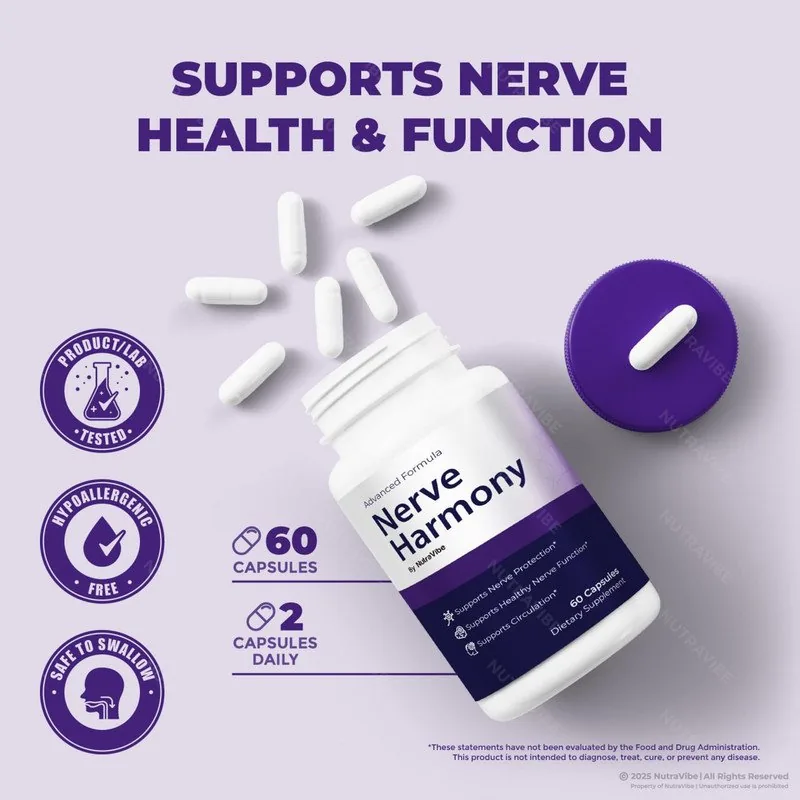
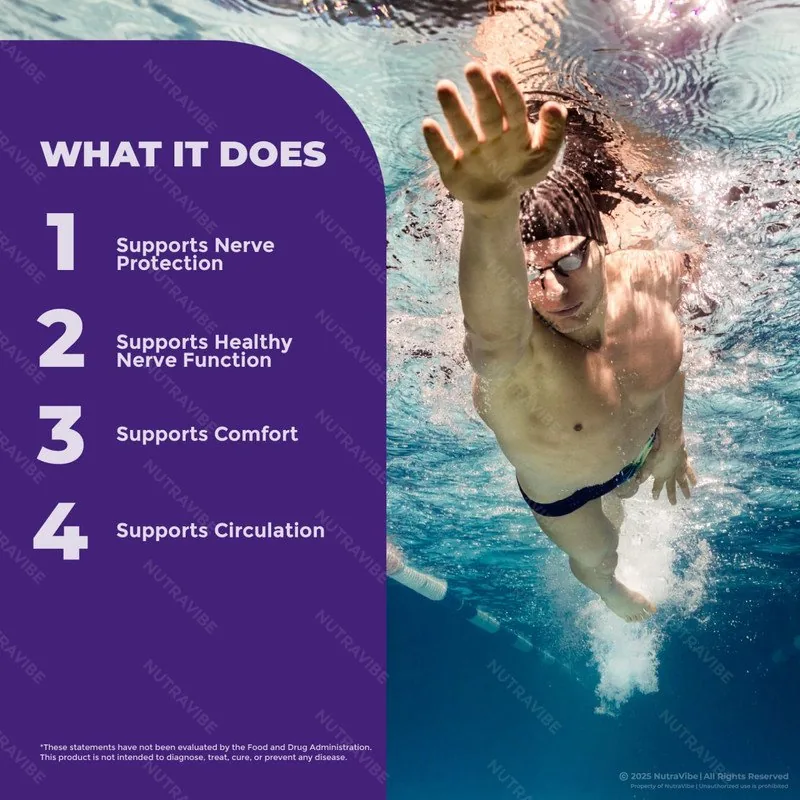
Nerve Harmony is a general nerve-health supplement marketed to the broad population, not a CIPN product, and nothing on this site should be read as a suggestion to use it during cancer treatment without medical clearance. For anyone navigating chemotherapy, the hierarchy is clear: your oncology team first, structured exercise as the best-supported self-directed step, and any supplement only as a distant, clinician-approved extra.
What the guideline recommends, and what it rules out
Chemotherapy-induced peripheral neuropathy has something most nerve topics lack: a formal, regularly updated clinical guideline. The 2020 ASCO guideline update on prevention and management of CIPN is unusually blunt for a guideline document. For prevention, it recommends no agent — not acetyl-L-carnitine, not alpha-lipoic acid, not vitamin E, not glutathione, not calcium and magnesium infusions. For treatment of established painful CIPN, duloxetine is the only agent with a moderate recommendation behind it.
The reason the guideline says no rather than "insufficient evidence" for acetyl-L-carnitine is worth spelling out, because it is the clearest cautionary tale in supplement research. In the randomised trial published in the Journal of Clinical Oncology, participants receiving 3,000 mg a day of ALCAR alongside taxane chemotherapy had worse neuropathy scores than placebo at 24 weeks. The compound with the best diabetic-neuropathy evidence of any nerve nutrient performed worse than nothing in a different kind of nerve injury. Our page on acetyl-L-carnitine and the evidence for nerve pain covers that split in more detail.
The intervention with the most support is not a supplement
Exercise is the outlier here. A 2022 systematic review and meta-analysis in Sports Medicine pooled trials across neuropathy causes, including chemotherapy-induced neuropathy, and reported benefits for balance, function and symptom burden. It is not a cure and the trials are heterogeneous, but it is the one intervention in this space where doing more of it has a favourable risk-benefit profile rather than an unknown one — and it is available during treatment, not only after.
Two expectations help. First, timing: most CIPN improves over months after treatment ends, though platinum-based regimens can produce "coasting", where symptoms worsen for a while after the last dose. Our page on how long nerves take to heal explains why nerve recovery timelines are measured in months rather than weeks. Second, symptom control in the meantime is a prescribing conversation, not a shopping one — the trade-offs are set out in our comparison of gabapentin and natural supplements.
Medical note: this article is general information, not medical advice, and no supplement is a treatment for chemotherapy-induced neuropathy or any disease. If you are undergoing cancer treatment, do not start, stop or change any supplement, exercise plan or medication without talking to your oncology team first, because some products can interact with chemotherapy.
Frequently asked questions
What is chemotherapy-induced neuropathy?
Chemotherapy-induced peripheral neuropathy, or CIPN, is nerve damage caused by certain cancer drugs, most notably taxanes, platinum agents and vinca alkaloids. It usually starts in the hands and feet as tingling, numbness, burning or sensitivity to cold, in a symmetrical glove-and-stocking pattern. Severity depends on the drug, the cumulative dose and the individual.
Does exercise help CIPN?
Structured exercise has the most consistent trial support of any self-directed option for CIPN. Programmes combining balance work, resistance training and aerobic activity have been linked to reduced symptom severity and better quality of life. Exercise is not a cure, but it is low-risk and worth discussing with your care team so it can be tailored to your energy and safety.
Do supplements help chemo nerve symptoms?
The evidence for supplements in CIPN is mixed and generally weaker than for exercise. Acetyl-L-carnitine has been studied but results are inconsistent, and one trial even raised concern about worse outcomes. No supplement is an established treatment for CIPN. Anything you consider should be cleared with your oncology team first, because some agents can interact with cancer therapy.
Should I tell my oncology team about supplements?
Yes, always. Some supplements and antioxidants can theoretically interfere with how chemotherapy works, and others interact with medications. Your oncology team also needs an accurate picture to grade your neuropathy and adjust dosing if needed. Bring the actual bottle or label to your appointment so they can see the exact ingredients and amounts.
Scientific references
- Loprinzi CL, et al. Prevention and Management of Chemotherapy-Induced Peripheral Neuropathy in Survivors of Adult Cancers: ASCO Guideline Update (J Clin Oncol, 2020)
- Hershman DL, et al. Randomized double-blind placebo-controlled trial of acetyl-L-carnitine for the prevention of taxane-induced neuropathy (J Clin Oncol, 2013)
- Streckmann F, et al. Exercise and Neuropathy: Systematic Review with Meta-Analysis (Sports Medicine, 2022)
- National Cancer Institute — Nerve problems (peripheral neuropathy) and cancer treatment
- NINDS — Peripheral Neuropathy Information Page
- Mayo Clinic — Peripheral neuropathy: symptoms and causes
Related reading
See how Nerve Harmony's formula measures up
Every ingredient in the 1000 mg blend, what the evidence does and does not support, and the current pricing and availability.