Nerve Health Myths, Debunked by Evidence
What are the biggest myths about nerve health supplements?
The four that cause the most trouble: that more B vitamins is always better, that supplements can reverse nerve damage, that tingling always means damage, and that a single blend fixes every neuropathy. Each falls apart against trial data and safety limits. Nutrients can genuinely support nerves, but they do not cure, and more is not automatically safer.
- Safety limit: too much vitamin B6 can itself harm nerves.
- Honest ceiling: supplements support, they do not reverse damage.
- Cause matters: neuropathy has many causes; one blend cannot suit all.
Why nerve myths spread so easily
Nerve symptoms are frightening and stubborn, which makes them fertile ground for oversimplified claims. Tingling and burning wax and wane on their own, so almost anything you try can look like it worked for a while. Add confident marketing, a few cherry-picked studies and the natural wish for a quick fix, and half-truths harden into "everyone knows" facts. The antidote is boring but reliable: check each claim against controlled trials and established safety limits, and be honest about where the evidence stops. Here are four of the most common myths and what the research actually says.
Myth 1: "More B vitamins is always better"
B vitamins have a deserved reputation in nerve health - B1, B6 and B12 all play genuine roles in how nerves function and repair themselves, and correcting a true deficiency can make a real difference. From that grain of truth grows a dangerous leap: if some is good, more must be better. It is not. Vitamin B6 is the clearest example. At high doses taken over months, B6 can itself cause a sensory peripheral neuropathy - the very numbness and tingling people are often trying to fix. The irony is painful: someone loads up on a "nerve" vitamin and slowly makes their symptoms worse.
This is why safety limits exist. Regulators set an upper intake level for B6 precisely because the harm from chronic excess is well documented. The useful mental model is a window, not a ladder: nerves need enough of each B vitamin, but pushing far past that window adds risk without adding benefit. Water-soluble does not mean consequence-free. Before megadosing anything, it is worth checking whether you are actually deficient - because if you are not, extra capsules cannot help and, in B6's case, can hurt.
Myth 2: "Supplements reverse neuropathy"
This is the myth that sells the most bottles and disappoints the most people. Scan the marketing and you will see words like "repair," "regenerate" and "reverse" attached to nerve formulas. The honest picture is narrower. No supplement has been shown in solid research to reverse established nerve damage. The best-studied nutrients can, at most, modestly ease symptoms in some people, and correcting a genuine deficiency removes a cause of ongoing harm. That is support, not repair.
Take alpha-lipoic acid, the nutrient with the deepest evidence base for nerves. In diabetic neuropathy trials it eased burning and tingling somewhat over several weeks - a real but measured effect, sitting alongside a large placebo response. Nowhere did it regrow lost nerve fibres. That is the ceiling for even the best-evidenced ingredient. So when a product promises to "reverse" your neuropathy, read it as a marketing claim rather than a scientific one. A supplement that helps you feel a little better on good weeks is worth understanding honestly; a supplement that claims to undo damage is overpromising.
Myth 3: "Tingling always means nerve damage"
Feel a persistent tingle and it is natural to assume the worst. But pins and needles is one of the least specific symptoms in medicine, and most brief episodes are harmless. Sit cross-legged too long and you compress a nerve; the fizzing that follows is temporary and resolves in minutes. Anxiety and hyperventilation can produce tingling around the hands and mouth. A dip in blood sugar can do it. A nerve pinched by a certain sleeping position often settles once you move. None of those is nerve damage in the lasting sense.
That said, the myth contains a kernel of legitimate caution. Tingling can be an early sign of nerve trouble, particularly when it is persistent rather than fleeting, when it spreads or follows the classic "stocking and glove" pattern in the feet and hands, or when it comes with numbness, weakness or balance problems. The useful rule is about pattern and persistence, not the sensation alone. A one-off tingle after an awkward nap is not a red flag; tingling that keeps returning, worsens or brings company deserves a proper assessment rather than either panic or dismissal.
Myth 4: "One nerve blend fixes everything"
The tidiest myth of all is that a single "nerve support" formula is the answer, whatever your situation. It is appealing because it removes the hard work of diagnosis. The problem is that "neuropathy" is not one disease - it is a description of malfunctioning peripheral nerves that can arise from wildly different causes. Diabetes is the most common, but there is also nerve damage from vitamin B12 deficiency, from alcohol, from chemotherapy, from thyroid disease, from physical compression, from autoimmune conditions, and from causes that are never fully identified.
Those causes call for different responses. B12-deficiency neuropathy needs B12 repletion and a hunt for why it dropped. Diabetic neuropathy pivots on glucose control. A compressed nerve may need a change in ergonomics or a physical intervention. No capsule blend addresses that spread, because the fix depends on the cause. This is exactly why a proper assessment comes first. A general nerve-support formula might complement a plan, but it cannot replace identifying what is actually driving your symptoms - and any product that implies otherwise is selling simplicity you cannot safely buy.
Myth versus what the evidence says
| Common claim | What the evidence supports |
|---|---|
| More B vitamins is always better | Enough is beneficial; chronic excess B6 can cause neuropathy |
| Supplements reverse nerve damage | At best modest symptom support; no reliable reversal |
| Tingling always means damage | Often temporary; persistent or spreading tingling needs review |
| One blend fixes every neuropathy | Treatment depends on the cause, which must be identified |
A saner way to think about nerve support
Strip away the myths and a calmer approach remains. First, find the cause - the single most valuable step, because it determines everything that follows. Second, respect the doses and the limits: aim for adequacy of key nutrients rather than heroic megadoses, and read the label to see whether an ingredient is present at an amount any study actually used. Third, set expectations at "support," not "cure": a supplement that takes the edge off on some days is doing its honest job, and that is different from repairing a damaged nerve. None of this is as thrilling as a promise to reverse neuropathy overnight, but it will not harm you, waste your money, or delay the assessment that could actually change your outcome.
Three more claims worth retiring
"Natural means it cannot hurt you." The single most persistent myth in this category, and the easiest to disprove. Schaumburg and colleagues in 1983 described sensory neuropathy caused by high-dose pyridoxine — a vitamin, sold over the counter, producing the exact symptom people take it to fix. Our guide to vitamins for nerve repair covers the numbers. Acetyl-L-carnitine makes the point from the other direction: strong data in diabetic neuropathy, and worse-than-placebo results when tested during taxane chemotherapy.
"Nerves cannot heal, so there is no point trying." The opposite error, and it costs people real recovery. Nerves do regenerate, slowly and under the right conditions, and the reversible causes have genuinely good outcomes when caught — a corrected deficiency is the clearest example. Our page on how long nerves take to heal sets out what the realistic timelines look like by cause. The accurate position is neither "supplements repair nerves" nor "nothing can be done", but "removing the driver is what determines the trajectory."
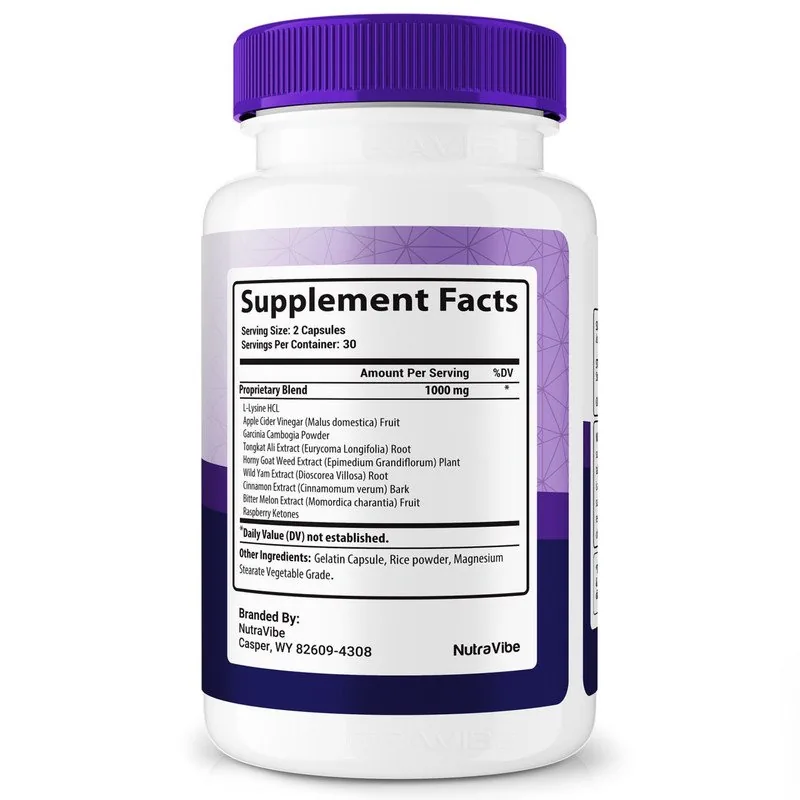
"A proprietary blend is just the manufacturer protecting a recipe." Sometimes. It is also, unavoidably, the label feature that makes a product impossible to check against the trials it cites. When the evidence for an ingredient is dose-dependent — and for the ingredients with real data, it always is — an undisclosed amount is an unfalsifiable claim rather than a trade secret.
Why the myths survive
Each of these survives because it contains something true. B vitamins do matter to nerves. Nerve regeneration is real. Blends do exist for legitimate formulation reasons. The distortion happens at the jump from a true general statement to a specific promise about you — and that jump is almost always where the citation stops. Our evidence survey of nerve-health supplements applies the same test across every common ingredient, and our page on alcohol and nerve damage covers a specific case where a true general statement about alcohol and nerves gets flattened into an oversimplified one. If you want the graded version of what is actually supported, the ingredient-by-ingredient grading is the shortest route.
Medical note: this article is general information, not medical advice, and no supplement treats or cures neuropathy. High-dose vitamins can cause harm, and persistent tingling, numbness or weakness deserves a professional assessment to find the cause. Talk to a healthcare professional before starting or stacking supplements, especially if you take medication or are pregnant or nursing.
Frequently asked questions
Do supplements reverse nerve damage?
No supplement has been shown to reverse established nerve damage. The better-studied nutrients, such as alpha-lipoic acid, can modestly ease symptoms in some people and correcting a genuine deficiency helps, but that is support, not repair. Treat any product promising to regrow or reverse nerves as a marketing claim, not a scientific one.
Is more B vitamins always better for nerves?
No, and this myth can be harmful. Nerves need adequate B vitamins, but taking too much vitamin B6 for a long time can itself cause a peripheral neuropathy, and excess does not buy extra benefit. Correcting a real shortfall helps; loading up beyond what your body needs adds risk rather than reward.
Does tingling always mean nerve damage?
No. Tingling has many temporary causes, from a compressed nerve after sitting awkwardly to anxiety, low blood sugar or a pinched nerve that settles. It can signal nerve damage, especially when it is persistent, spreading or paired with numbness or weakness, but a brief pins-and-needles sensation is usually harmless. Persistent or worsening tingling is worth a proper assessment.
Can one blend treat every kind of neuropathy?
No single blend fits every case, because neuropathy has many different causes - diabetes, vitamin deficiency, alcohol, chemotherapy, compression and more. The right approach depends on the underlying cause, which a clinician needs to identify. A general nerve-support formula may complement that, but it cannot substitute for finding and addressing what is actually driving the symptoms.
Scientific references
- Ziegler D, et al. Oral treatment with alpha-lipoic acid improves symptomatic diabetic polyneuropathy: the SYDNEY 2 trial (Diabetes Care, 2006)
- Schaumburg H, et al. Sensory neuropathy from pyridoxine abuse: a new megavitamin syndrome (New England Journal of Medicine, 1983)
- Ang CD, et al. Vitamin B for treating peripheral neuropathy (Cochrane Database of Systematic Reviews, 2008)
- Hershman DL, et al. Randomized double-blind placebo-controlled trial of acetyl-L-carnitine for the prevention of taxane-induced neuropathy (J Clin Oncol, 2013)
- NIH Office of Dietary Supplements — Vitamin B6 Fact Sheet, including upper limits
- Callaghan BC, et al. Distal Symmetric Polyneuropathy: A Review (JAMA, 2015)
- NINDS — Peripheral Neuropathy Information Page
Related reading
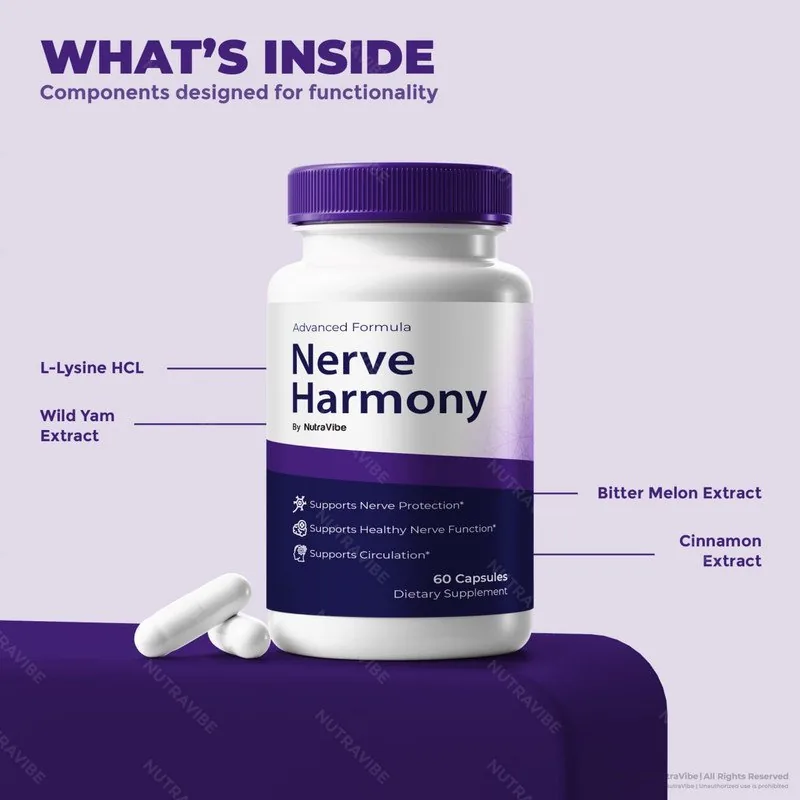
See how Nerve Harmony's formula measures up
Every ingredient in the 1000 mg blend, what the evidence does and does not support, and the current pricing and availability.